Pages

21 September 2013

Cheese making season

  We made butter with our extra milk for about 5 or 6 weeks and now I am making cheese.  I have been making a simple farmhouse Cheddar every other day for the last 3 weeks, the milk supply is starting to drop slightly so it maybe 2 or 3 times a week for the next few weeks and then the cheese making season will be finished until after the next calving. Each cheese is very slightly different depending on the day it is made.
Here follows photos of the process....
Straining the milk straight after milking. The pot holds 16 litres (3 milkings). After a starter culture is added and the milk left for an hour the milk is brought to 32C and rennet is added to set the curd.

Testing the firmness of the curds .

Cutting the curds.

The temperature is slowly raised with frequent gentle stirring and then left to pitch (curds settling in whey).
 The stirring is the one step in the process that takes time, usually 20-25 minutes.
After pitching the whey is drained off.

View of curds after pitching.

Curds are cheddared (cut and stacked) a few times over the afternoon and each time the whey is drained off.

The curds are cut or broken before mixing in salt and putting in the cheese mold.

Curds in the mold .
  This is my 5th cheese making season. I have come a long way and no doubt have a long way to go yet.

Angus made the cheese press. there are two 10kg and one 5kg weights on this cheese. The pyrex dish is propped up slightly at one end so the whey runs down to the near end.

Cheese just out of the press.

 I started with a recipe for farmhouse cheddar when our cow Mead first calved here. Every new lactation I follow the variations that made the best cheese from the previous batch. Zoe jokes that my "accident" cheeses are the best! They usually happen on the days when I am so busy that I don't keep precise notes. This does put a dent in the theory that cheese making is a science not an art!


The cheese on the left is just out of the press and the one on the right has dried for 2 days.

After drying out, the cheese is smothered in home rendered Lard and left in a cool place to ripen. The lard in this picture is spread over the whole cheese and then the cheese is covered with the same cheese cloth that was used to line the mold.

It is a lengthy process but most of the steps take just a few minutes each ...

.....and now we wait for the cheeses to ripen!

I have omitted pictures of all the washing-up required in cheese making! Luckily I am happy to wash dishes, It just doesn't make pretty photos!

 Here are 2 pictures taken this February of a cheese from last year .


Last years ripening conditions were much warmer and I think this years cheese will not be so moldy.
 We have found that the mold contributes to the flavor so it is not a bad thing.


20 September 2013

Summer moths


Angus uses a light trap at night to attracts moths. He records the species he finds while they rest in the trap during the day and then all the moths will fly off in the evening. He runs the trap once a week on a Friday as part of the garden moth recording scheme and occasionally on other days if the weather is very good. He has recorded over 600 moth species in our garden over the last 10 years. This year so far he has recorded 300 different species. Here are just a few photos of moths this year.

Oak Eggar

Mompha locupletella

Burnished Brass

 
 Also a Burnished Brass. There are often variations in the colors of the same species

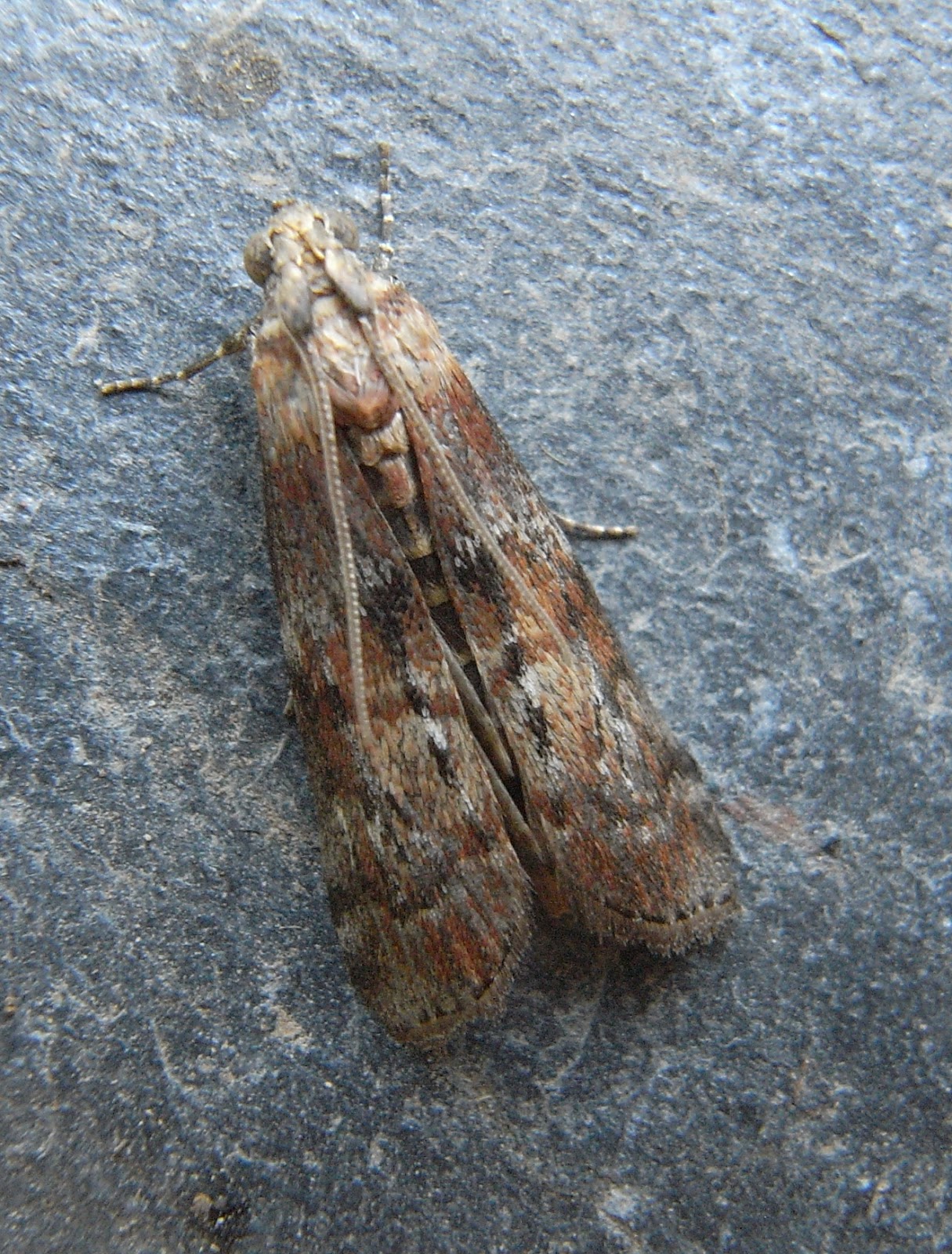
Phycita roborella

Angus uses egg cartons in the traps as they offer plenty of resting nooks for the many moths.
On a good night in summer Angus could easily record 130 DIFFERENT species in one trap.
Some species occur in high numbers, for example the species Large Yellow Underwing peaked at more than one hundred in one trap in one night.

Buff-tip

Buff-tip
 
Dot Moth

Beautiful Golden Y.

Eudonia delunella

Buff Arches

Elephant Hawk-moth

Green Silver-lines.
Green Silver-lines

19 September 2013

Social Wasps.

Zoe has identified the 5 different species of Social Wasps native to Ireland in the garden this summer. The Tree Wasp, the German Wasp (it was the one at the beehives and getting into the house), The Common Wasp (on the raspberries and apples), The Red Wasp and the Norwegian Wasp (very similar to each other).
Wasps are important garden pollinators and predators of many garden pests.

 Zoe found this wasps nest in Grannys garden ((a few hundred metres away) and Angus brought it home.
It is hanging in the centre of the house and receiving daily admiration.

Tree Wasps made their nests in Zoe's sleeping space. She was more than happy with them there.

Two Tree Wasp nests in Zoe's roof space.

Tree Wasp in the Callistemon.


18 September 2013

Farmyard photos.


Tivon has a guard Turkey and has called him Argus. I say guard turkey because he seems to know who is in the family and performs fantastic feather displays and a blue face for visitors! We have a bit to learn about turkey behavior! Turkey was never on my wish list of homestead essentials but he is a real character.

Argus like to perch on the byre in the evening.

We only had one chick this year! The magpie was stealing the eggs from the broody hens and we didn't realize! I was SO happy to have one chick though!

  The hens are so full of personality. 

Zoe took this photo of our Cockerel.

---------------------------------


 Nettle and Thistle. A small flock is beautiful, right?
Well, we had to start somewhere!

Shadow and Spring are looking for dinner!

Tivon giving Shadow a scratch.


17 September 2013

Bird life.

 
 3 white Egrets visited the pond on 12 September. 
 -------------------------------------------- 
The following photos are of bird visitors over the last few years.
Great Spotted Woodpecker. First seen in the garden in September 2005.

Cormorant.


Pair of Cormorants.

Goldfinchs on the feeder in February.

 Mostly Great Tits but also 2 Coal Tits in this photo taken in February.
We often hear the Buzzard flying high overhead.

There were a lot of Mallard on the pond this winter.

Bullfinch in January.

Long- eared Owl on the bird table. More commonly heard than seen. They were nesting not far from here as Angus could hear the young calling earlier in the year.